State pensioners hit with £4,500 HMRC tax bills | Personal Finance | Finance
More state pensioners will owe tax on their State Pension from April (Image: Getty)
More than half of State pensioners across the UK have been hit with £4,500 tax bills from HM Revenue and Customs (HMRC) – and more will owe tax from April.
Financial experts have warned that more state pensioners will owe tax on their State Pension from April as new payment rates take effect, but many don’t even realise they could be taxed. According to consumer finance specialist Royal London, four in 10 UK adults (41%) are unaware the State Pension is taxable as the Department for Work and Pensions (DWP) pays it without tax being taken off. You pay income tax on your State Pension when your total annual income exceeds your tax-free Personal Allowance, which is still frozen at £12,570.
As such, pensioners who have no other income – such as from private pensions and earnings – would not normally earn enough to go over the Personal Allowance threshold. But many pensioners do have other income, from savings or still being in work, for example, and this, along with State Pension payments, will be subject to tax.
Read More: Older state pensioners can cut TV Licence bill to £0 in 16 minutes
Read More: State pensioners can get 12 freebies and discounts worth £14,139 in March
Royal London said almost seven in 10 (68%) of retirees who aren’t working paid tax on their pension income last year, with payments amounting to more than £4,500 on average. But two thirds (66%) of those who paid tax didn’t know how much they paid, or couldn’t remember.
With just a month to go until the new tax year begins, Royal London has warned it’s “more important than ever” that people understand what tax they may have to pay, as the State Pension will rise by 4.8% in April, meaning new state pensioners on the full rate will be just £22 away from the Personal Allowance threshold, receiving £12,547.60 in a single tax year.
While Chancellor Rachel Reeves has confirmed pensioners with no other income won’t have to pay tax on their State Pension alone if the triple lock takes the State Pension above the £12,570 threshold – which it is expected to from April 2027 – this won’t apply to those who have additional income.
Sarah Pennells, consumer finance specialist, Royal London, said: “The fact that approximately 4 in 10 adults do not know the State Pension is taxable is not surprising as it’s paid without tax being taken off.
“However, from April, the full new State Pension will be less than £30 below the personal allowance, so it’s more important than ever that people understand what tax they may have to pay.
“Our research shows that almost 7 in 10 – 68% – of those who are retired and not working paid tax on their pension income, with the average amount of tax paid standing at over £4,500. However, two thirds of those who’d paid tax didn’t know how much they’d paid or couldn’t remember.
*** Ensure our latest personal finance headlines always appear at the top of your Google Search by making us a Preferred Source. Click here to activate or add us as Preferred Source in your Google search settings. ***
Royal London said some pensioners who built up a larger State Pension under the old system, thanks to the State Earnings Related Pension Scheme (SERPS), will already be paying tax, even if they have no other income in retirement.
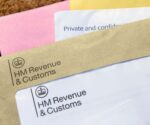
If your total income in retirement – including any workplace or private pensions – exceeds the Personal Allowance, then you will automatically be taxed or sent a tax bill, so it’s important to understand your income so you know what tax you may owe to HMRC.
Ms Pennells added: “To avoid an unexpected bill, work out how much your income is going to be. If you have a defined benefit pension, your pension scheme should tell you each year how much your payments are going to be.
“If you are taking income from a personal or workplace pension, you could vary the amounts you take to reduce the tax you pay or even avoid paying tax altogether. There’s a useful tool on Gov.uk which will tell you whether you’re likely to pay tax.”