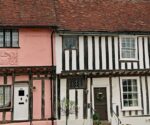
I visited amazing UK city often overshadowed by its famous neighbour | UK | Travel
I’ve been visiting this city for years, but there’s always something new to discover (Image: Katie Oborn)
There are many cities to discover in the UK, and it’s always fascinating how unique they all are, shaped by history, the people who live in them, and the landscapes in which they are located. I recently visited a British city, and not for the first time, but a lot has changed in this bustling place over the years, however, it’s often overlooked due to its more famous neighbour.
I’ve been visiting Bristol for several decades now, and the city evokes fond memories of the Lakota nightclub back in the late 1990s. This city has always had a rebel “heart” with a free-spirited vibe – and in recent years, the Green Party have effectively taken over full control of running Bristol City Council. While I was visiting the city, I noticed how clean it was in the area I was staying – and also how friendly people were.

Bristol is a charming mix of ancient and new buildings (Image: Katie Oborn)
READ MORE: I visited one iconic coffee shop for the last time before its sad closure
READ MORE: I live near pretty UK seaside town with a big sewage problem loved by tourists
Like everywhere else I have been lately, there seems to be a lot of building going on in Bristol as the demand for new homes keeps growing, but the city also has some eyecatching well looked after older buildings.
I noticed that several of the historical buildings in Bristol were made of the same stone as those in the nearby city of Bath – and the city of Bristol is often overlooked when compared to the more traditionally charming city of Bath.
Yet Bristol has its own special charm and a liberal vibe to it, the city has a diverse community along with a thriving art scene, as well as some great shopping and foodie spots.
Bristol’s older buildings, made of a honey-coloured limestone (known as Bath stone), stand out prominently against the rest of the modern-day landscape of the city – and many newer buildings in Bristol have been painted in bright colours, adding to its character.
Visiting Bristol can be more affordable than visiting Bath in many ways – and there’s good transport links from Bristol including a train journey to London taking just one hour and 30 minutes.

Bristol has several buildings made of Bath stone in the old town area (Image: Katie Oborn)
While in Bristol I stayed in the Clayton Hotel on Broad Street, this 4-star hotel is homed in what was a historical printworks site – and the building dates back to about 1900.
This hotel’s colourful Art Nouveau facade was designed by William James Neatby, he was the main designer at Royal Doulton during the late 1800s to the early 1900s.
Broad Street itself was intriguing, as I left the hotel and looked to my right, just at the end of the road was an old church, St Johns, which I since discovered dates back to medieval times and sits within the old walls of the old city.
People can walk through an arch of the St Johns church (Nelson Street) to join a main road and much newer part of the city, so it really feels like you’re stepping through time – and this area forms the old town of Bristol.
Discovering snippets of the old areas in Bristol is enchanting – and located in the pretty Castle Park in the city is another church (St Peter’s) which dates back to the 11th century, it’s surrounded by a Physic Garden – and sitting here a while you can imagine the past lives that played out.

Bristol’s Castle Park is a relaxing place to spend time in the city (Image: Katie Oborn)
These days, Bristol city centre is just 30 minutes from Bristol Airport with frequent buses and coaches taking passengers to and fro – and there’s railway links or coaches to South West destinations such as Cornwall or Devon.
Now, many people assume that Bristol is in Somerset, but the city and its surroundings is actually an independent county corporate, established way back in 1373, with a unitary authority council.
The About Bristol website explained it well: “Bristol is the largest city in the south west of England, with a population of approximately half a million.
“The city lies between Somerset and Gloucestershire and has been politically administered by both counties in part at various times.
“However, Bristol is historically a county in its own right and is properly entitled the City and County of Bristol.”
So what makes Bristol “better” then Bath, well it’s got the Banksky claim to fame and the Banksy trail – and I’ve spotted a couple of these masterpieces on previous visits.
Then there’s the nightlife. On this visit I went to an experimental gig at Strange Brew and the atmosphere was edgy yet welcoming (that’s Bristol all over I would say).

Bristol city centre has several old pretty buildings in amongst the new (Image: Katie Oborn)
Bath is without doubt a stunning city to visit, but it’s got an overly wealthy vibe whereas Bristol, steeped in its own history has a more everyday people feeling to it – and there’s many less tourists to contend with.
Of course, Bristol hit the news in 2020 when a historical controversial bronze statue of Bristol-born slave trader Edward Colston was defaced and toppled during an anti-racism protest nearly six years ago – and this raised a few eyebrows at the time.
Those responsible were taking a stand and making an important point despite the statue toppling being labelled as vandalism by many, at the time.
This move by protesters will also go down in history as the people responsible highlighted Colston’s role in the Atlantic slave trade, in a way that brought it to many more people’s attention – and I think Bristol will always have a rebellious heart, it’s just the way the city is.