Tax-free Personal Allowance increases to £20,070 with HMRC’s rule | Personal Finance | Finance
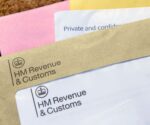
HMRC has increased the tax-free personal allowance (Image: Getty)
The tax-free Personal Allowance has been the centre of attention again in recent months following yet another freeze on the threshold that’s been stuck since 2021.
The Government has extended the freeze on income tax bands for three more long years and with it, the amount you can earn without paying any tax will also be held at the same level for that time too, despite inflation and wage growth pushing more and more people into higher earnings and thus higher tax bills.
But people can take advantage of a little-known rule that will boost their tax-free Personal Allowance all the way up to £20,070, far beyond the normal £12,570 that’s been frozen solid since 2021 and will now remain stuck in place until 2031.
When bands are frozen, it means more and more people are going to be dragged into paying more tax as inflation pushes wages up and causes more workers to move into higher income tax bands, a phenomenon known as ‘fiscal drag’.
READ MORE: Met Office says stockpile blankets and clothes as heavy snow returns
READ MORE: Last chance to get £225 from ‘UK’s best rated bank’ before Monday
That is one of the reasons many people are looking for ways to legally boost their tax allowances to try to make their money go further, and lose less of their income to the taxman.
The standard income tax Personal Allowance is £12,570. That’s the maximum amount in most circumstances that you can earn before you have to start paying tax on your income, which begins at 20% for earnings between £12,570 and £50,270 and then jumps to 40% of earnings over that amount. It then increases once more to 45% of every £1 over £125,140 for additional rate taxpayers.
But you can boost the Personal Allowance up to £20,070 with tax-free earnings of £7,500 with a specific HMRC scheme, which means you earn your first £20,070 without owing a penny of income tax on it.
This is due to the rent-a-room scheme, a fully legal tax vehicle recognised by HMRC. Renting a room out allows you to earn up to £7,500 from letting out a bedroom in your home before the earnings are taxable.
The scheme’s allowance can only be applied to rooms being let in the property you live in, so you can’t use it to cover buy-to-let income.
You have to declare it to HMRC as part of a self-assessment tax return, and if you earn £7,500 or less from renting out a room (£625 per month), then you will be exempt from paying any tax on that income.
In this way you can enjoy the £12,570 Personal Allowance and add another £7,500 on top without paying income tax on any of it, completely legally.
You can, of course, opt out of the scheme, and choose to have the rent-a-room income taxed normally. This might work out if you somehow made a loss from doing this (perhaps you had to refurb the whole room after extensive damage), and you want to offset the loss against your tax burden on another buy-to-let property.
The governent explains: “The Rent a Room Scheme lets you earn up to a threshold of £7,500 per year tax-free from letting out furnished accommodation in your home. The threshold is halved to £3,750 if you share the income with someone else.
“You can let out as much of your home as you want. The tax exemption is automatic if you earn less than your threshold. Which means you do not need to do anything.
“You must complete a tax return if you earn more than your threshold.
“You can then opt into the scheme and claim your tax-free allowance. You do this on your tax return.
“You can choose not to opt into the scheme and instead record your income and expenses on the property pages of your tax return.”